
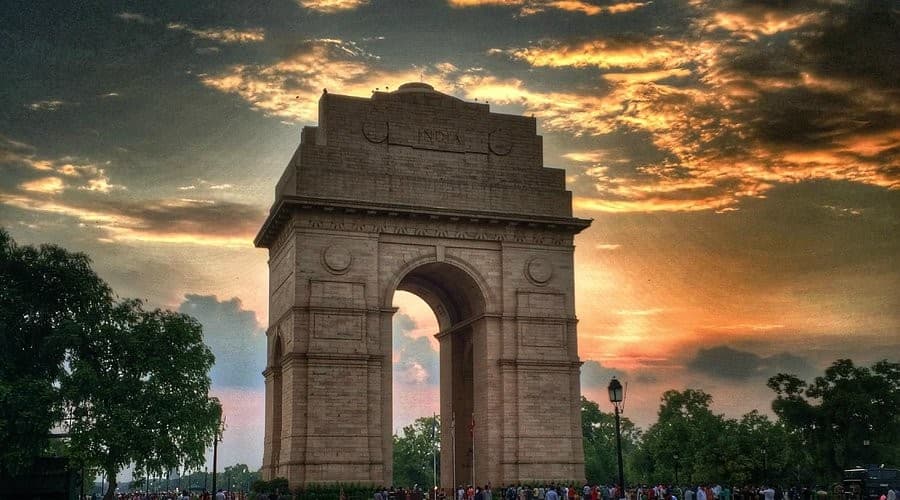
India is a vast country in South Asia, best known for its rich history, diverse cultures, and varied landscapes. To plan your stay, choose regions based on your interests – historical, spiritual, or adventure – and allocate sufficient time, typically 2-3 weeks, for a multi-city experience to truly appreciate its depth.
Quick facts
Quick facts about India
- Best time
- October to March for most regions; April to June for mountains.
- Typical trip
- 14-21 days for a multi-region tour; 7-10 days for a specific region.
- Language
- Hindi, English, and numerous regional languages.
- Currency
- Indian Rupee (₹).
- Airports
- DEL Indira Gandhi International Airport, Delhi, BOM Chhatrapati Shivaji Maharaj International Airport, Mumbai, BLR Kempegowda International Airport, Bengaluru, MAA Chennai International Airport, Chennai
- Climate
- Tropical monsoon climate with distinct hot, wet, and cool seasons, varying significantly by region.
Best for
- Culture enthusiasts
- Budget travellers
- Adventure seekers
- Spiritual pilgrims
- History buffs
Less ideal for
- Travellers seeking hyper-clean, ultra-modern environments exclusively
- Those averse to crowds or bustling city life
- People on very strict time limits for deep exploration
Places to explore
Explore within India
Where to stay
Where should I stay in India?
- 01
North India (Rajasthan & Delhi)
mixed
Ideal for history, culture, and regal experiences. Base yourself in Delhi for access to the Golden Triangle (Delhi, Agra, Jaipur) and extended trips into Rajasthan's forts and palaces.
- 02
South India (Kerala & Goa)
mixed
Perfect for serene backwaters, beaches, and Ayurvedic wellness. Goa offers beaches and nightlife, while Kerala provides tranquil natural beauty and cultural insights.
- 03
Himalayan Region (Uttarakhand & Himachal)
mixed
Choose this for mountain adventures, spiritual retreats, and cool weather. Popular bases include Shimla, Manali, and Rishikesh, offering trekking, rafting, and yoga.
Things to do
What are the best things to do in India?
Historical & Architectural Marvels
- Visit the Taj Mahal, Agra
Witness the iconic marble mausoleum, a UNESCO World Heritage site and a symbol of eternal love. Arrive early for fewer crowds.
0.5 day
- Explore the Forts of Rajasthan
Discover grand fortresses like Mehrangarh Fort in Jodhpur or Amer Fort in Jaipur, showcasing royal history and intricate Rajput architecture.
1-2 days per fort
Spiritual & Wellness Retreats
- Experience Varanasi's Ghats
Observe ancient rituals and ceremonies along the sacred Ganges River at Varanasi's ghats, a profound spiritual experience.
1-2 days
- Practice Yoga in Rishikesh
Join a yoga or meditation retreat in the 'Yoga Capital of the World', nestled in the Himalayan foothills.
3-7 days
Nature & Wildlife
- Go on a Tiger Safari
Visit national parks like Ranthambore or Bandhavgarh for a chance to spot Bengal tigers in their natural habitat.
1-2 days
- Cruise the Kerala Backwaters
Enjoy a houseboat cruise through the tranquil network of canals, lakes, and lagoons in Alleppey or Kumarakom.
1-2 days
Itineraries
Sample itineraries for India
9-day plan
Classic Golden Triangle with Varanasi
- 01
Day 1-3: Delhi Exploration
Arrive in Delhi. Explore historical sites like India Gate, Humayun's Tomb, Qutub Minar, and Red Fort. Visit Chandni Chowk for food and shopping.
- 02
Day 4-5: Agra's Marvels
Travel to Agra. Witness the Taj Mahal at sunrise, explore Agra Fort, and visit Fatehpur Sikri. Overnight in Agra.
- 03
Day 6-7: Jaipur's Royal Charm
Proceed to Jaipur. Discover Amer Fort, Hawa Mahal, City Palace, and Jantar Mantar. Enjoy a traditional Rajasthani dinner.
- 04
Day 8-9: Spiritual Varanasi
Fly to Varanasi. Experience the Ganga Aarti ceremony, boat ride on the Ganges at dawn, and explore the old city and ghats before departure.
Typical daily costs
- Budget
- ₹2,000-₹4,000 per day
- Mid-range
- ₹5,000-₹12,000 per day
- Luxury
- ₹15,000+ per day
Costs are per person and exclude international flights. They include accommodation, local transport, food, and basic activities. Prices vary significantly by region and travel style.
Best time to visit
When is the best time to visit India?
Winter (Peak Season)
October to March
Pleasant and dry weather across most of India, ideal for sightseeing, cultural festivals, and beach holidays. Temperatures range from 10°C to 25°C in the north, warmer in the south.
Summer (Off-peak, Mountain Season)
April to June
Hot and dry in the plains with temperatures often exceeding 40°C. Best time to visit hill stations in the Himalayas for cooler weather and outdoor activities.
Monsoon (Green Season)
July to September
Heavy rainfall across much of India, making landscapes lush and green. Can disrupt travel plans due to floods or humidity, but offers unique experiences like reduced crowds and lower prices. South India and coastal regions receive significant rain.
Getting there
How to get to India
Air
Major international airports in Delhi (DEL), Mumbai (BOM), Bengaluru (BLR), and Chennai (MAA) serve as primary entry points. India has an extensive domestic flight network.
Rail & road
Indian Railways is vast, connecting almost every corner of the country. Overnight sleeper trains are a popular way to cover long distances comfortably and affordably. Book tickets well in advance.
Getting around
Inter-city travel often involves taxis, private cars, or state-run buses. Within cities, auto-rickshaws, cycle-rickshaws, and ride-sharing apps like Ola/Uber are widely available.
Practical tips
- 01Secure your visa in advance. E-Visa is available for citizens of many countries.
- 02Stay hydrated and avoid tap water; prefer bottled water or filtered water.
- 03Dress modestly, especially when visiting religious sites. Remove shoes before entering temples.
- 04Bargain respectfully in local markets, but fixed prices apply in modern stores.
- 05Be mindful of cultural norms; use your right hand for eating and giving/receiving items.
FAQ
FAQ — India
What is the best time to visit India?
The best time to visit most of India is from October to March when the weather is cool and dry. For Himalayan regions, April to June is ideal to avoid intense heat and monsoon rains.
How long should I plan for a trip to India?
For a comprehensive experience covering multiple regions, plan for at least 2 to 3 weeks. If focusing on a specific region, 7 to 10 days can provide a good overview.
Is India safe for solo female travellers?
India can be safe for solo female travellers with adequate precautions. Research specific destinations, dress appropriately, avoid isolated areas at night, and trust your instincts. Consider guided tours for certain regions.
What is the primary mode of transport within India?
Indian Railways offers an extensive network for inter-city travel, providing both affordable and comfortable options. Domestic flights are efficient for long distances, and buses/taxis cover shorter routes.
Should I get travel insurance for India?
Yes, comprehensive travel insurance is highly recommended for India. It should cover medical emergencies, trip cancellations, lost luggage, and personal liabilities for peace of mind.